🌻 Milkweed & Monarch Community Science Project
Join us in this community conservation project
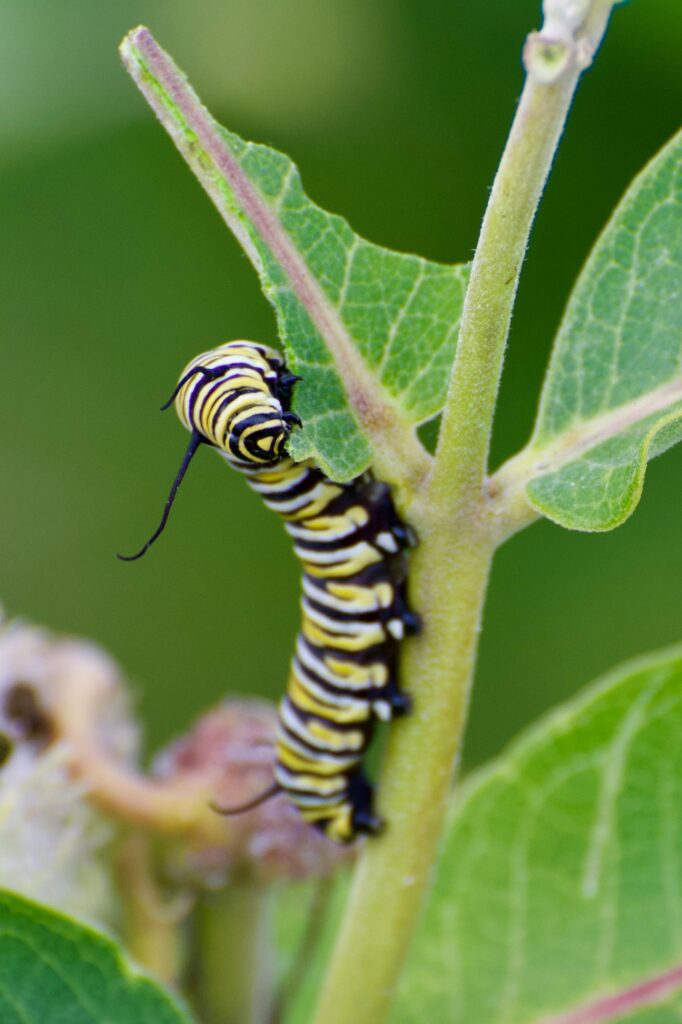
Monarch butterflies are an iconic species across the USA, and a powerful indicator of the health of our grasslands, prairies, and working landscapes. Their populations have declined dramatically in recent decades due to habitat loss, climate stress, and reduced availability of native milkweed, the only plant monarch caterpillars can eat.
The Kansas Wildlife Federation (KWF) is launching a new community-based research project to help answer a critical question:
How can we grow native milkweed more successfully — and more widely — to support monarch conservation across Kansas?
We’re inviting Kansans, and others, to participate directly in this research by growing milkweed, observing what happens, and sharing simple data that will help conservation scientists and land stewards improve monarch habitat at scale.
🦋 Why Monarch Conservation Matters
Monarch butterflies rely on native milkweed plants to complete their life cycle. Without milkweed, monarchs cannot reproduce. Kansas sits within the monarch breeding range, making our state especially important for supporting healthy populations.
By restoring milkweed in backyards, farms, schools, and community spaces, Kansans and our broader national community of people from all walks of life can play a meaningful role in conserving this species — and contribute to science at the same time.
🌱 Why Milkweed Matters
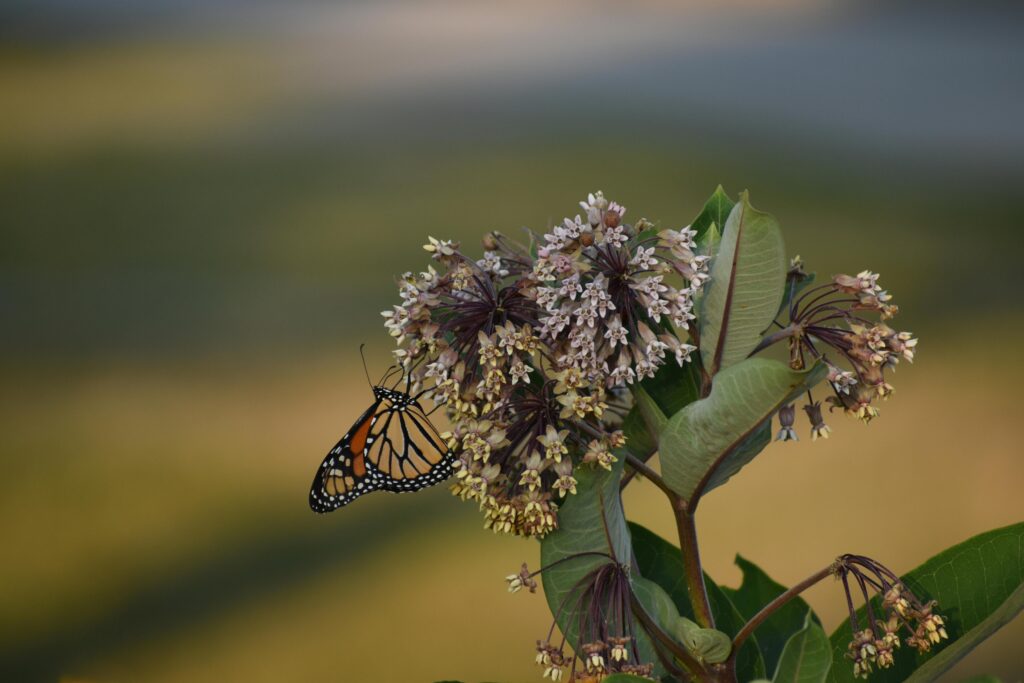
This project focuses on common milkweed (Asclepias syriaca), a native species that:
- is an essential larval host plant for monarchs
- supports a wide range of pollinators
- naturally dies back each winter, helping maintain healthy ecosystems
- is well adapted to Kansas conditions
Growing milkweed from seed helps ensure plants are locally appropriate, resilient, and ecologically beneficial.
Where is common milkweed native?
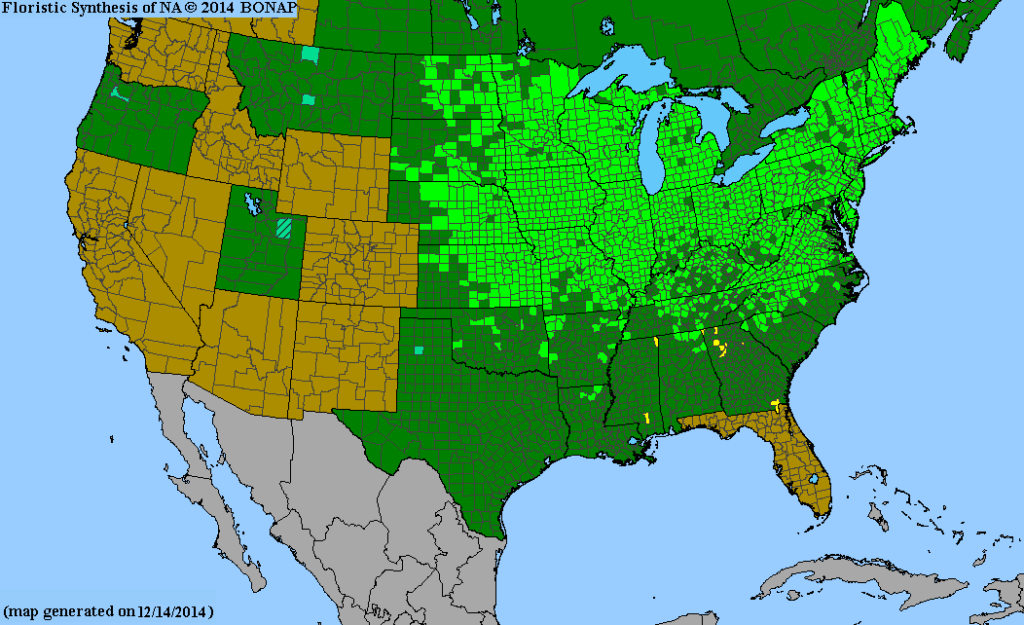
To keep this project ecologically appropriate, we will confirm that common milkweed (Asclepias syriaca) is native in each participant’s location. Conservation guidance pointing to county-level distribution tools (e.g., BONAP-based atlases, see map below to verify milkweed species nativity
Nationwide participation section
Now Recruiting: Participants Across the U.S. (Where Common Milkweed Is Native)
Kansas Wildlife Federation (KWF) is hosting this research project, and we welcome participants from across the United States — as long as common milkweed (Asclepias syriaca) is native in your area.
Shown below in either bright or dark green!
Why this matters: planting milkweed within its native range helps ensure the plant is well adapted to local conditions and supports monarch conservation responsibly.
How we confirm eligibility:
When you submit the interest form, we’ll ask for your location (ZIP code/county). We’ll verify that A. syriaca is native where you live using established distribution references (USDA Plant Profile / county-level plant atlases).
🔬 About the Research Project
This is a real conservation research study, led by the Kansas Wildlife Federation in collaboration with conservation partners and scientific advisors.
Participants will receive two or three sets of milkweed seed packets by mail. Each packet represents a slightly different seed preparation approach that researchers are studying to better understand:
- germination success
- timing of sprouting and leaf development
- early plant growth and vigor
- monarch feeding and egg-laying activity
Your observations help us understand how milkweed establishes under real Kansas conditions — information that cannot be gathered in a lab alone.
More information and FAQs
Participation is designed to be simple, accessible, and flexible.
If selected, participants will:
- Receive milkweed seed packets by mail (at no cost)
- Plant the seeds outdoors following clear, simple instructions
- Observe plant growth during the growing season
- Share a few observations through an online form, such as:
- when seedlings emerge
- leaf development and plant height
- signs of monarch feeding or eggs (observation only — no handling)
No prior experience with gardening or science is required.
Apply HERE!
✔ This project uses native milkweed only
✔ Observation-based — no handling of monarchs
✔ Focused on outdoor, natural growing conditions
✔ Designed with monarch health best practices in mind
✘ No indoor rearing
✘ No pesticides
✘ No special equipment needed
If you’re interested in participating, please complete our interest form:
Submitting the form does not obligate you to participate — it simply helps us understand who is interested and where participants are located.
Selected participants will receive additional details by email.
Community-generated data helps conservation organizations:
- improve habitat restoration success
- reduce barriers to growing native plants
- develop science-based guidance for land stewards
- strengthen monarch conservation efforts across the region
By participating, you become part of a statewide effort to support monarchs — and help advance conservation science in Kansas.
When you post a sign around a habitat area indicating that it is intentional, you likely preempt comments and/or complaints about that habitat area looking “unkempt.” You also educate passersby and help KWF achieve its habitat conservation goals. One benefit of certifying with NWF is the well-designed sign.
We are currently seeking participants located in Kansas, and elsewhere throughout the USA where common milkweed is native including:
- homeowners and renters
- farmers and ranchers
- educators and schools
- conservation groups
- community organizations
Space is limited, and participation will be based on geographic diversity and project needs.
Monarch Health Note: What is “OE” and how do we avoid contributing to it?
You may hear about OE (Ophryocystis elektroscirrha) — a naturally occurring parasite of monarch butterflies. OE is part of the monarch system, but prevalence can become higher in non-migratory, year-round breeding populations, especially in areas where tropical milkweed enables monarchs to breed continuously and spores can accumulate on leaves over time.
This project is designed to follow best practices that reduce risk:
- We use native common milkweed (Asclepias syriaca) only, and only where it is native; it naturally dies back seasonally, which helps interrupt parasite cycling.
- Participants are asked to observe monarch activity without handling monarchs and to avoid indoor/captive rearing.
- Seeds are mailed (not plants), and OE is not spread through milkweed seeds (OE spreads monarch → leaf surface → monarch).
If you’re interested in learning more about monarch health monitoring, programs like Project Monarch Health share resources and community science opportunities related to OE.
Volunteer Opportunity: Project Support Intern
As the Milkweed for Monarchs Community Science Project continues to grow, the Kansas Wildlife Federation is seeking one or two volunteer interns/project assistants to help support project coordination, participant communications, and data tracking.
This is a volunteer, unpaid role designed as an educational and hands-on opportunity to gain experience with community science, conservation research, and nonprofit project implementation. Volunteers will work closely with the Project Lead and help ensure the project runs smoothly as participation scales.
📄 View the full volunteer role description, here.
📝 Apply here!